



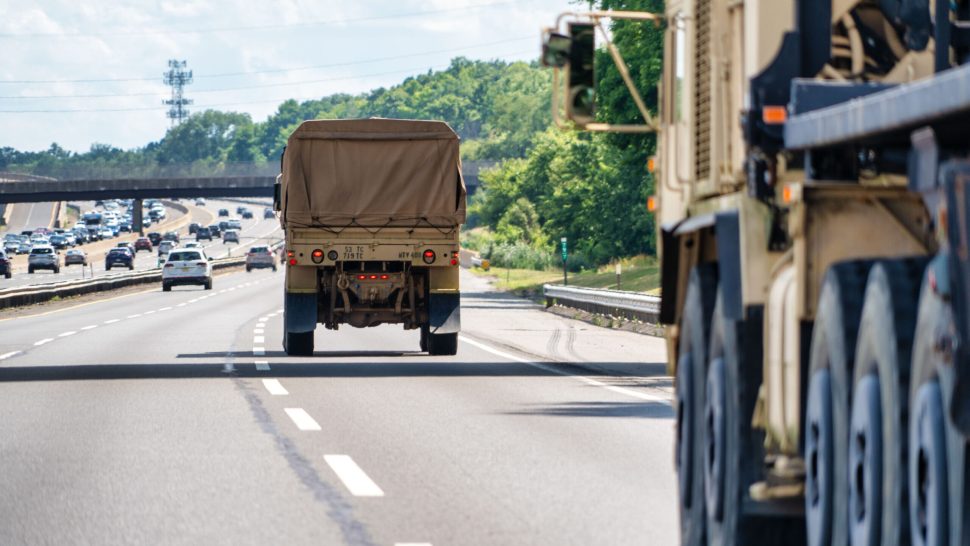
I have spent the last 12 years working with military household goods shipments. For most of that time the process was predictable. Transportation service providers (TSPs) moved belongings under permanent change of station (PCS) orders, and custody followed clear paths from origin to destination. But like many parts of the supply chain today, identity fraud is beginning to appear inside military logistics. The system depends heavily on knowing who is involved at each step, and that dependence is becoming a point of risk.
PCS orders relocate service members and move household goods at government expense, making it one of the largest recurring logistics programs in the country. In the past, problems usually surfaced after delivery through disputes or administrative issues. Today risk is appearing much earlier in the process, before freight ever reaches its destination.
Commercial freight fraud patterns begin appearing in military logistics
Military household goods logistics are starting to show patterns that have already appeared in commercial freight. These include identity manipulation, credential misuse, and individuals inserting themselves into processes where verification may be limited or delayed. A recent Department of Justice settlement shows how identity can be exploited inside the military logistics system.
In late 2025, a transportation company agreed to pay $3.5 million after investigators found it impersonated military personnel to manipulate customer satisfaction surveys and secure additional Defense Personal Property Program shipments. Employees used spoofed phone numbers and disguised voices to submit fake feedback and inflate performance scores. The fraud did not target freight movement itself. It targeted the signals that determine who receives shipments and future business. Once those signals can be manipulated, the rest of the process becomes vulnerable.
Fraud actors study how performance is measured. They look for the inputs that carry the most weight and identify where those inputs can be influenced. When those signals are compromised, later decisions rely on information that was never verified in the first place. This pattern is already familiar in commercial freight investigations and similar conditions are beginning to appear inside military logistics workflows.
Identity verification gaps across the logistics system
Military household goods shipments move through a complex network that includes booking systems, contracted carriers, and government oversight. Yet real-time identity confirmation is not always embedded across the entire process. When verification relies on static records or delayed updates, gaps appear. Those gaps allow unauthorized actors to insert themselves into the system without immediately being detected.
Once a shipment is approved and assigned, operational momentum often takes over. Additional scrutiny tends to decrease as the move progresses. Assumptions replace verification, and the process continues forward. That environment creates opportunities for identity-based manipulation even when the broader system is functioning as designed. The concern today is not widespread fraud. The concern is that the conditions for it are emerging.
Why peak season increases exposure
Military household goods peak season typically ramps up in mid-May and runs through late summer. That surge increases volume, pressure, and operational complexity across the system. These shipments belong to service members and their families, but they move through a network of transportation providers operating within federally managed programs. Any weakness in identity verification inside that environment can create exposure that extends beyond a single shipment.
Moving from identity assumption to identity verification
Strengthening identity verification does not require rebuilding the military logistics system. In many cases the foundation already exists. Most drivers handling military household goods shipments must access military installations during pickup or delivery. That process already includes identity checks through base security.
One practical step would be expanding the use of credentials such as the TWIC card for drivers involved in these shipments. The TWIC enrollment process requires in-person identity verification, fingerprinting, and background checks. Biometrics are already part of that process, creating a verified identity tied directly to the individual.
When drivers enter many installations today, their credentials are scanned and confirmed before access is granted. This verifies the individual in real time and ensures the person entering the installation matches the identity tied to the credential. Applying this type of verification more broadly across military household goods operations would make impersonation far more difficult.
Military logistics has always depended on structure and accountability, and those foundations remain strong. However, identity risks can change faster than systems update, which creates gaps before problems are recognized. Once identity verification breaks down inside federal logistics systems, the risk does not stay operational. It becomes national security exposure.
Click here for more articles on cargo theft and freight fraud by Phillip Brink.
Brokerage Compliance Symposium
The day before F3. Every compliance issue you face - fraud exposure, carrier liability, FMCSA rules, cargo theft, insurance gaps - navigated by attorneys and operators defining best practices in a changing industry.
F3 Awards Dinner
The night before F3. FreightTech100 companies honored. FreightTech 25 and Shipper of Choice winners revealed live. Cocktail reception into dinner and live music - 300 industry leaders in one purpose-built room.
F3: Future of Freight Festival
Industry-defining keynotes, rapid-fire technology demos, and industry leaders networking in experiences across Chattanooga - plus the inaugural F3 Awards Dinner featuring the FreightTech and Shipper of Choice reveals.
The day before F3. Every compliance issue you face - fraud exposure, carrier liability, FMCSA rules, cargo theft, insurance gaps - navigated by attorneys and operators defining best practices in a changing industry.
The Signal at Chattanooga Choo Choo • Chattanooga, TN Register NowThe night before F3. FreightTech100 companies honored. FreightTech 25 and Shipper of Choice winners revealed live. Cocktail reception into dinner and live music - 300 industry leaders in one purpose-built room.
The Signal at Chattanooga Choo Choo • Chattanooga, TN Register NowIndustry-defining keynotes, rapid-fire technology demos, and industry leaders networking in experiences across Chattanooga - plus the inaugural F3 Awards Dinner featuring the FreightTech and Shipper of Choice reveals.
The Signal at Chattanooga Choo Choo • Chattanooga, TN Register Now