








Alan Adler
Friday, April 2, 2021
Truck Talk: Trailer troubles edition
Truck Talk is a weekly newsletter where FreightWaves adds context, commentary and color to industry news and trends.
Truck Talk is a weekly newsletter where FreightWaves adds context, commentary and color to industry news and trends.

The battle between brands and retailers is not new, but it’s more acute than ever because of the options each side has. For brands, it’s never been easier to own and operate sales channels both online and IRL. For retailers, there’s never been more digitally native brands seeking out offline homes than there are right now. And giants like Target, Walmart and Amazon have proven that consumers are willing to purchase and even be very loyal to private label brands.

President Joe Biden’s infrastructure plan is light on details, but it could affect the health care supply chain.

Tier 1 automotive supplier avoids line-down debacle via AIT Worldwide Logistics’ speedy transborder solution

This is an excerpt from Monday’s (3/29) Point of Sale retail supply chain newsletter sponsored by ArcBest. Yee-HAW, people. The third round of fiscal stimulus is causing an immediate and significant boost to the consumer economy. Due to the sharp contraction in spending this time last year from COVID-related lockdowns, the one-year change is distorted and not as […]

Drug manufacturers are trying to massively scale up production, which will require companies to share information and governments to make financial investments.
Last week Starbucks expanded upon its previously stated goal to be a “resource-positive company,” with specific goals related to sourcing coffee beans, land use and production. What’s striking is how targeted the company’s greenhouse gas (GHG) reduction efforts are at the point of origin and the company’s willingness to share environmental best practices throughout the […]

Volatility in trucking markets has prompted shippers to assess different ways of securing reliable capacity. For DG, that means more reliance on in-house transportation, but that’s certainly not the only option. Some retailers are looking to diversify their transportation partners to avoid delays and secure truck space. Others are debating streamlining their transportation needs by signing over their private fleets to logistics specialists.

Add Nike (NYSE: NKE) to the growing list of retailers being severely hampered by port congestion and supply chain bottlenecks. The congestion at West Coast ports in particular strained Nike’s supply chain and negatively impacted revenue, which declined 11% yoy in the quarter ending Feb. 28.

Truck Talk is a weekly newsletter where FreightWaves adds context, commentary and color to industry news and trends.

The pandemic slashed ride volumes for medical transportation providers that brought patients to appointments. Now, some want to bring drugs and supplies to patients.

Most CPG companies will report earnings next month, but with an off-cycle fiscal year ending May 31, General Mills reported its fiscal third quarter Wednesday morning for the December-February quarter. General Mills’ size and its off-cycle reporting make it a bellwether for next month’s earnings reports. As I’ve discussed in other editions of The Stockout, […]
COVID-19 forced dramatic change at the end of the supply chain seemingly overnight. Retailers had to adjust quickly to succeed, and those that did are looking at a recovering consumer economy with the best balance sheet in decades on top of a real estate market reeling from store closures. Pair this with an e-commerce acceleration of five years and a movement to DTC and you have a market ripe for innovative physical expansion.

Criminals are trying to sell fake COVID-19 vaccines to desperate governments and citizens, threatening trust in the real health care supply chain.
As the number of places where product flows increases, naturally, smaller, more frequent inventory replenishment runs are created. Whether it’s middle-mile solutions from DC to store or DC to DC or it’s home delivery, the location of endpoints is dispersing and the size of shipments is decreasing.
Earlier this week in The Stockout CPG-focused newsletter, I discussed the impact that China’s efforts to replenish its hog population was having on corn and soybean exports as well as the related transportation challenges. Today, I dig into another pork-related issue, California’s Proposition 12, which could have a major impact on pork supply chains and […]

Truck Talk is a weekly newsletter where FreightWaves adds context, commentary and color to industry news and trends.

Security measures and remote locations complicate the last mile. But some correctional systems are vaccinating inmates quickly.

Companies that are normally competitors are making deals to share technology and manufacturing capacity to produce enough COVID-19 vaccines.
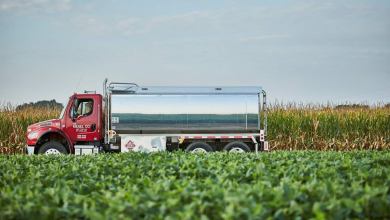
Cargill’s announcement last week that it is making a nearly half-billion dollar investment in soybeans caught my attention because it suggests that one of the world’s largest food producers believes that soybeans are poised for sustainable growth and the recent price appreciation and surge in production are not just the result of transient trends. It’s […]

Brands big and small want more control over the customer experience, including data and service, and technology firms and logistics providers can now offer brands an Amazon alternative. The tension between retailers and brands is nothing new, but the battle between them has never been this acute thanks to the likes of Shopify, ShipBob, XPO and others.

Truck Talk is a weekly newsletter where FreightWaves adds context, commentary and color to industry news and trends.

Retailers are stuck between playing the waiting game and risking delays that wreck quarterly results or ponying up and taking to the skies. The goods will arrive quickly, but at what cost?

The effort to stop the COVID-19 pandemic is generating a lot of waste. Now, health care providers have to dispose of those materials.
Earlier this week, in the last edition of The Stockout CPG-focused newsletter, I focused on reefer since the many CPG companies that require temperature controls are facing an even tighter freight market than those that do not. Today, I am shifting gears to discuss shipping dry goods and, specifically, intermodal insights from the latest datasets […]

By some accounts, Instacart owns 50% of the online grocery market. With an IPO upcoming, I wanted to look back at how Instacart has gone from niche to necessity and question whether it can maintain this dominant position in a highly competitive, highly sought-after market post-COVID.

Companies in a wide variety of industries are starting to offer vaccines to their employees at work. That protects employees’ health and the company’s bottom line.

Just as Pat Riley trademarked the term “three-peat,” I’m considering trademarking “coin flip compliance.” That’s the state of the reefer market today with reefer carriers rejecting 50.3% of tendered loads, up from 40% in early February and up from 10% at this time last year. So, as concerning as tight transportation markets are for shippers […]
This article was originally published in The Stockout newsletter on February 3, 2021. To sign up for The Stockout newsletter, click here. We recommend that CPG companies, and others that ship refrigerated goods, pay close attention to Marten Transportation’s results each quarter. Marten, which reported its fourth quarter last week, is listed seventh on the […]

There are a couple of trends shaking up the automotive industry in the years ahead. Outside of digitization and electrification, one trend often gets left out: the growing reliance on Mexico and cross-border trade. As OEMs relocate manufacturing down in the South, suppliers are starting to follow in their footsteps.

One financial metric in the CPG world that stands out to me is AB InBev’s net debt-to-EBITDA ratio: 4.8x. The company has been highly leveraged since its acquisition of SABMiller in 2016 when its debt topped $100 billion (net debt was $82.7 billion at the end of 2020) and the pandemic hurt the company’s profitability […]

Truck Talk is a weekly newsletter where FreightWaves adds context, commentary and color to industry news and trends.

The United States’ infrastructure was put to the test recently when Winter Storm Uri passed through the lower half of the country. As a result, production at petrochemical plants shut down and the industry is now on the brink of a potential seat shortage.

This week, President Biden announced we will have enough vaccinations for every American by the end of May. For the American people, this is fantastic news. For apparel retailers, it’s euphoric news that complicates an already extremely uncertain environment. In this edition of Point of Sale, we’ll take a look at apparel inventory management through the lens of Nordstrom’s recent woes.

The FDA failed to conduct 1,000 inspections last year because of the COVID-19 pandemic. That backlog could clog the pharmaceutical supply chain.

In today’s edition, we highlight a Department of Labor move, a logistics executives survey and another acquisition for PS Logistics.

In today’s edition, we highlight a B2B exception in California, a dispute with the NTSB and good news for some newly hired drivers.

The recent stimulus bill would funnel billions to the health care supply chain quickly. Recent executive orders indicate the feds aim to focus on health care supply chain long term.

At this point, the vaccine has rolled out to nearly 24.8 million Americans and counting. The vaccination story is just getting started for the automotive industry, with Stellantis becoming the first automaker to administer vaccines to its workforce.
Plant-based meat alternatives are to the food industry what electric vehicles are to the transportation industry — a niche with a lot of startups today but maybe not so niche in the future, especially as further quality advancements are made. In today’s edition of The Stockout, a CPG-focused newsletter, I discuss recent developments with Beyond […]

Truck Talk, is a weekly newsletter where FreightWaves adds context, commentary and color to industry news and trends.

Tesla has shut down production of its California assembly plant for two weeks due to a variety of supply chain problems. Should there be concerns over the true demand for Tesla vehicles?

There is no definitive end for this freight bull market in sight. Consumers continue to spend on goods, driving freight and diminishing already depleted inventories. Even if consumer spending diverged from its current trajectory (which I see as unlikely, especially given the additional stimulus, accelerating vaccine rollout and strong consumer balance sheet), the mass inventory restocking ahead will be sufficient to keep freight flowing from a consumer perspective.

Delaying second doses would change the distribution pattern for vaccines and reshape the supply chain. Also, vaccine manufacturers say supply is about to dramatically increase.

Americans of color are receiving the vaccine at far lower rates than white Americans. Doctors and ethicists say prioritizing essential workers and more proactive outreach would create a more equitable supply chain.

Cooper Tire sold to Goodyear Tires in a deal worth about $2.8 billion. What effects does this have on Goodyear’s supply chain?
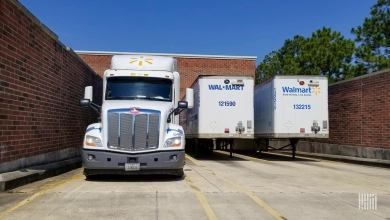
There has been a consumer flight to reliability throughout COVID, and Walmart benefited from this shift as much as any retailer. But with the end of the pandemic now in sight and Americans poised for the reopening of services, Walmart is expecting growth to moderate considerably. Walmart announced plans to invest heavily in its supply chain, namely fulfillment capacity and automation, to front-run the deceleration and claw toward e-commerce profitability.

Winter storm Uri was brutal for a lot of people, specifically in the Southeast and Southwest. With that being said, the auto industry experienced some repercussions from the storm worth noting.

FreightWaves Truck Talk is a weekly newsletter adding perspective, context and commentary to industry news and trends.

A former Jet.com co-founder is rethinking the way e-commerce orders are delivered — specifically, when orders are delivered and in what vessel they arrive at their destination. Nate Faust believes after 25 years of e-commerce, it’s time for a new way of imagining delivery.

A winter storm delayed shipments of COVID-19 vaccine doses across the U.S. The Biden administration expects delayed doses to arrive soon.

The Container Store’s (NYSE: TCS) most recent earnings call details the reality of shifting to a greater mix of e-commerce sales at a time when transportation capacity is extremely tight.

Peloton is riding a wave for the history books right now. It has grown revenues by triple digits year-over-year for three consecutive quarters while building one of the most recognizable brands in not just fitness, but all consumer segments. If it should continue this meteoric rise, it must sort its supply chain issues before either the vaccines or competition prematurely puts out its flame.
Amazon so often does everything seemingly right, so it’s important to talk about its shortfalls. I’m confident Amazon will right the Whole Foods ship, but it’s clear the boat has been sailing against the wind since COVID hit.

Supply chain experts say a national IT system for vaccine distribution could speed things up.

It’s a difficult task selling new vehicles when lot inventories are thin. However, with the right strategy, dealers can overcome disruptions in the automotive supply chain.

FreightWaves Truck Talk is a weekly newsletter adding perspective, context and commentary to industry news and trends.

On Wednesday, the U.S. International Trade Commission ruled against SK Innovation Co. Ltd. for stealing battery trade secrets from LG Chem. What implications does this have for OEMs that rely on SK?

We’ve long touted retail inventory restocking as a primary growth driver for the freight bull run, but apparel brands aren’t aligning with this thesis. Rather than reverting back to habitual overordering and year-end discounting, retailers are sticking with the conservative ordering tactics that helped them win the holiday season.

Thanks to the congestion in Los Angeles, container rates and volumes in Savannah are both hitting highs. When will volumes stabilize?

The global chip shortage has been running rampant for more than three months now. U.S. senators urged President Biden this week to work with Congress to address this threatening problem.

2020 brought disruption and volatility. But dealers, against all odds, actually performed much better than expected.

According to recent survey data from Bringg, same-day delivery will become a status quo offering from retailers in 2021. But is it the right move? Not for the vast majority of retailers. Here’s why:

Automakers called on the Taiwanese government Tuesday to persuade Taiwan chip manufacturers to reallocate production capacity for the auto industry. It looks like those pleas for help were heard.

Bid season is here, which means contract rates are catching up to spot rates and in turn loosening capacity.

Grocery is the only retail segment that has maintained (and even grown) its e-commerce penetration since peak levels in March, indicating the new normal is already here. The new normal is a much higher level of online demand, and grocers are getting wise about their fulfillment methods.

Lean inventory doesn’t sit well with supply volatility. The chip shortage, as well as the pandemic, have been a wake-up call for supply chain managers.
Sustainability efforts are becoming a major focus for CPG companies as consumers demand investments in a cleaner future.

There’s a push for more digitization and a growing need for more software as more EVs emerge and more self-driving capabilities are added to cars. Automakers are finding themselves without the expertise to fulfill the need for connected services and AI insights.
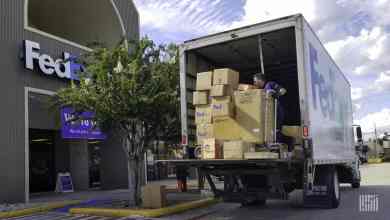
Retailers with physical footprints have been able to leverage new modes of fulfillment to pass increased costs associated with online delivery to consumers and their suppliers. But for digitally-native brands without access to physical stores, this could be painful should it become the new normal. If you ask FedEx, it already has.

The past 12 to 18 months have been nothing short of spectacular for Peloton. It has cemented itself as a prominent fitness brand with a base of fiercely loyal customers while growing revenues 233% yoy in Q3. But the company has outkicked its coverage and capped potential growth due to its supply chain constraints and lack of visibility.
Capital Logistics COO Michael Feig says it’s too early to tell if the summer will bring tight capacity to the reefer market.

Despite losing momentum sequentially for the last three months of the year, holiday sales grew 8.3% year-over-year. The surprising data is further evidence of the resilience of the American consumer, and the ability for retailers to influence how and when people shop.

Reshoring had been in a slump the past decade, but 2020 saw it increase by more than 45%. As companies look to bring home operations, nearshoring will be on the rise.

The Trump Administration announced an import ban on all cotton and tomato products originating in China’s Xinjiang region citing evidence of forced labor. This ban is much bigger than just cotton and tomatoes. It is a call to action for all retailers to better understand their sourcing practices.

OEMs will be able to close the gap that Tesla created with the help of energy policies from the White House and infrastructure already set in place.

Recent analysis from Gartner shows retailers with more than 50% of revenue from the online channel have logistics costs as a percentage of sales that are almost double those of their store-focused counterparts.
Reefer truckload capacity begins to tighten further in the Midwest and Southeast

Dealerships across the nation are already feeling the pressure of low inventory levels. A chip shortage is turning up the heat even more.
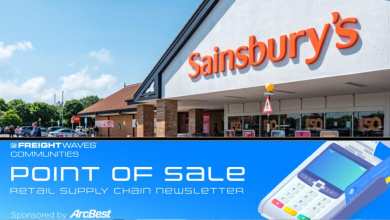
This is an excerpt from Monday’s Point of Sale retail supply chain newsletter. The UK grocery supermarket sector was once highly oligopolistic, but in recent years, European brands have expanded in the UK and have created a much fiercer competitive landscape. There are 4 primary British supermarket chains dubbed ‘The Big Four’: Tesco, Sainsbury’s, ASDA, […]

Bed, Bath & Beyond reported EPS of less than half consensus estimates. CEO Mark Tritton pointed to tight shipping capacity and elevated freight costs for the miss. Get used to hearing this.
Reefer trailer orders were over 100% above replacement levels in November which shows capacity is trying to return to the reefer markets.
With 2020 in the rearview, there are promising signs that point towards industry growth if one crucial thing takes place: tight inventory levels need to be replenished.

COVID induced demand for goods and spending in the home. How will spending behavior change when vaccines are widespread? Retail Analyst Andrew Cox believes consumer spending will be “A Tale of Two Halves”. See what he means:
Droughts and geopolitical tensions are driving up cotton, corn, and soybean prices and in turn impacting supply chain costs.

Retail analyst Andrew Cox makes five predictions for retail supply chains in 2021. First and foremost: An inventory correction.

Automakers have put a high priority on EVs as the world shifts to cleaner modes of transportation. With demand for EVs forecasted to rise, the demand for rare earth metals used in both EV drivetrains and batteries will definitely be on the rise as well.
Reefer spot volume volatility has exploded across the nation over the past week.

There’s so much change happening around the world as society advocates for sustainable and clean transportation. Although a lot of the hype generated from EV development is deserved, some people believe EVs are overhyped, including Toyota President Akio Toyoda.
Lumber Prices are soaring which is threatening CPG companies with higher supply chain costs.
It’s safe to say that Apple has a major portion of the electronic market on lockdown. Apple’s next strategic move? Developing its own self-driving car and taking it to the streets by 2024. No joke.
Reefer tenders have strengthened significantly out of the nation’s largest markets.
New Class 8 truck orders are increasing and this trend is likely to continue through 2021.
After months of anticipation, COVID vaccines are finally rolling out across the country. However, both GM and Ford have decided against a mandatory vaccination policy.
Coca-Cola slashes jobs in an effort to restructure.

Shippers are looking to speed up delivery and avoid long wait times by utilizing space on the East Coast. As a result, import volumes at eastern ports are on the rise.
Frito-Lay is responding to customers’ demands and have introduced an option for consumers to customize their variety packs.

QuantumScape, a producer of solid-state lithium batteries, has announced a major breakthrough that enables batteries to get an 80% charge in as little as 15 minutes.
As states prepare to administer COVID-19 vaccines, it is still unclear who will be deemed “essential”.

The German automaker wants to put all its time and energy into R&D and building infrastructure that supports the production of EVs, such as plant improvements and equipment upgrades.