




Every trucker knows when the freight slows down—you don’t need a chart to feel it in your wallet. But if you’re a small carrier trying to make sense of why your phone’s not ringing and your loads are paying pennies, you need to understand what’s coming down the pipe.
One word: tariffs.
Yeah, I know. It sounds like some high-level economic policy that’s supposed to only affect Wall Street or politicians yelling on TV. But let me break this down real simple—tariffs choke the pipeline before the freight ever reaches your load board. And the newest waves hitting U.S.–China trade are setting up another freight drought for the back half of 2025.
Before you dismiss this as more government noise, let’s walk through it. Because if you’re dispatching five trucks, or you’re an owner-op grinding your way toward that second truck, you need to understand how international policy just became your biggest domestic problem.
What Are Tariffs—and Why Do They Affect Us?
A tariff is basically a tax slapped on goods coming into the country. Let’s say Caterpillar is importing parts from China to build excavators in Georgia. If there’s a 50% tariff on those steel parts, their costs go up—a lot. What do they do? Delay the order. Maybe cancel it. Maybe source somewhere else. But here’s what they don’t do: ship it.
And when it doesn’t get shipped? That’s one less load for you.
You see, trucking is downstream of everything. When tariffs hit imports, they don’t just hit some factory’s profits—they start shrinking the ocean containers hitting West Coast ports. That means less freight heading to the rail yards. Less freight hitting distribution centers. Less outbound tenders being offered on the load board.
It’s not just theory. Let’s get into what the charts are showing us right now.
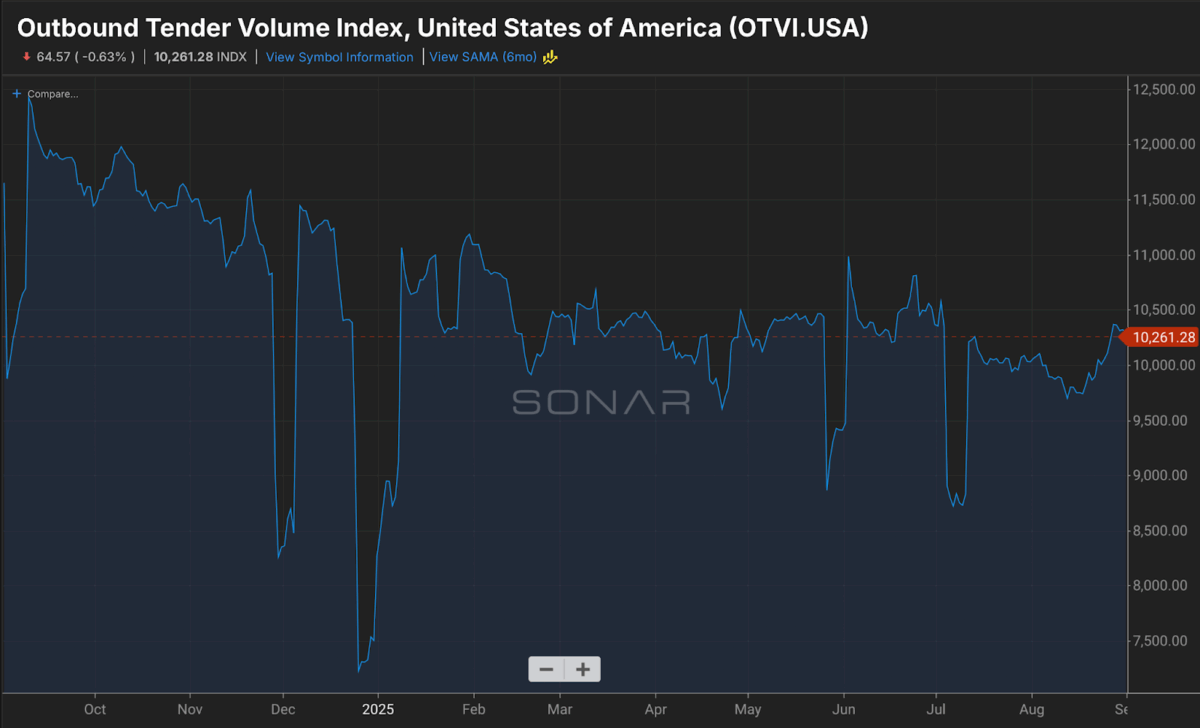
Chart 1: Outbound Tender Volume Index (OTVI)
The OTVI tracks how much contracted freight is being offered by shippers. Think of this as how many invitations to bid are being sent to carriers. And right now? It’s 10,261.28, trending flat and shaky.
Now look at the trendline. Notice how it’s been wobbling around the 10,000 mark all year? That’s not enough to support all the capacity out there. And the volatility? That’s tied to inventory pullbacks, tariff fears, and retailers playing defense on every shipment.
We haven’t seen a reliable bounce since June—and guess what happened then? Retailers rushed some orders forward before tariff escalation kicked in again.
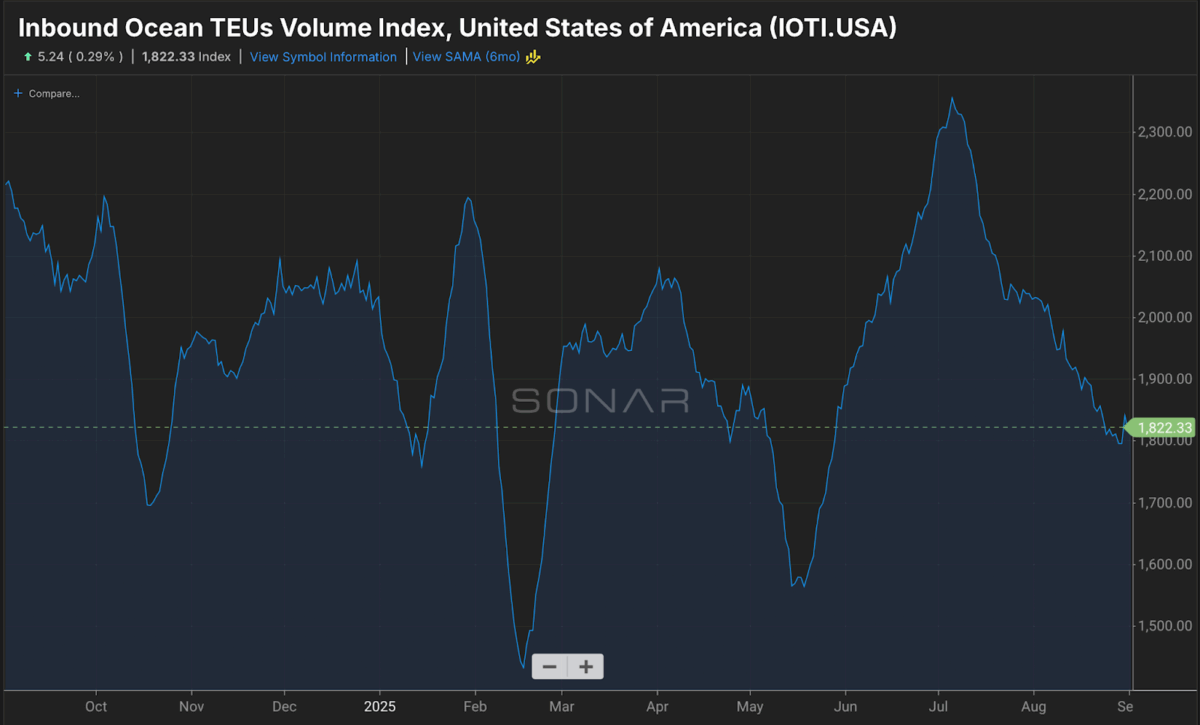
Chart 2: Inbound Ocean TEUs Volume Index (IOTI)
This one’s even more important for forecasting. The IOTI tracks inbound container volumes at U.S. ports. Right now? We’re sitting at 1,822.33, and the curve is trending down hard.
That’s the leading indicator for what kind of freight we’ll have in the next 30–60 days. If it’s not coming off the boat, it’s not hitting warehouses. And if it’s not hitting warehouses, it’s not getting tendered. It’s that simple.
Retailers already told us—they’re expecting 5.6% less imports this year compared to last year. That doesn’t sound huge, until you realize most of those import shipments are LTL and TL opportunities for domestic carriers.
Why Tariffs Hit Small Carriers the Hardest
Now let’s talk about you.
You’re not a mega carrier. You don’t have 90-day payment terms or a team of analysts watching global trade. You’re a two-truck operation running I-40 and trying to keep your drivers paid and fuel covered.
Here’s why tariffs crush small fleets:
- You rely more on spot market freight, which dries up faster when volumes drop.
- You don’t have long-term contracts, so when retailers cancel shipments, you feel it first.
- Your margins are thin, so one slow week eats into your next week’s plan.
And guess what else happens during tariff season?
Now you’re not just fighting low volumes—you’re fighting mega fleets dumping their excess capacity into your space.
Real-World Examples – Freight That Disappeared
Let’s get out of the charts and into real life:
- Caterpillar said tariffs on parts and steel are forcing them to delay shipments and raise prices. That’s less machinery being hauled by flatbeds this fall.
- Retailers like Target and Walmart are scaling back inventory ahead of the holidays. They’d rather run lean than risk getting stuck with expensive products. That means less dry van freight on the lanes you’ve been living off.
- Consumer electronics imports have slowed by 8% compared to last year. If you haul out of places like Laredo, Long Beach, or Savannah, you’ve already felt that drop.
And here’s the kicker—even if tariffs get reversed, the recovery is slow. Once shippers lose confidence, they shift buying habits. They may look at other countries. They hold back longer.
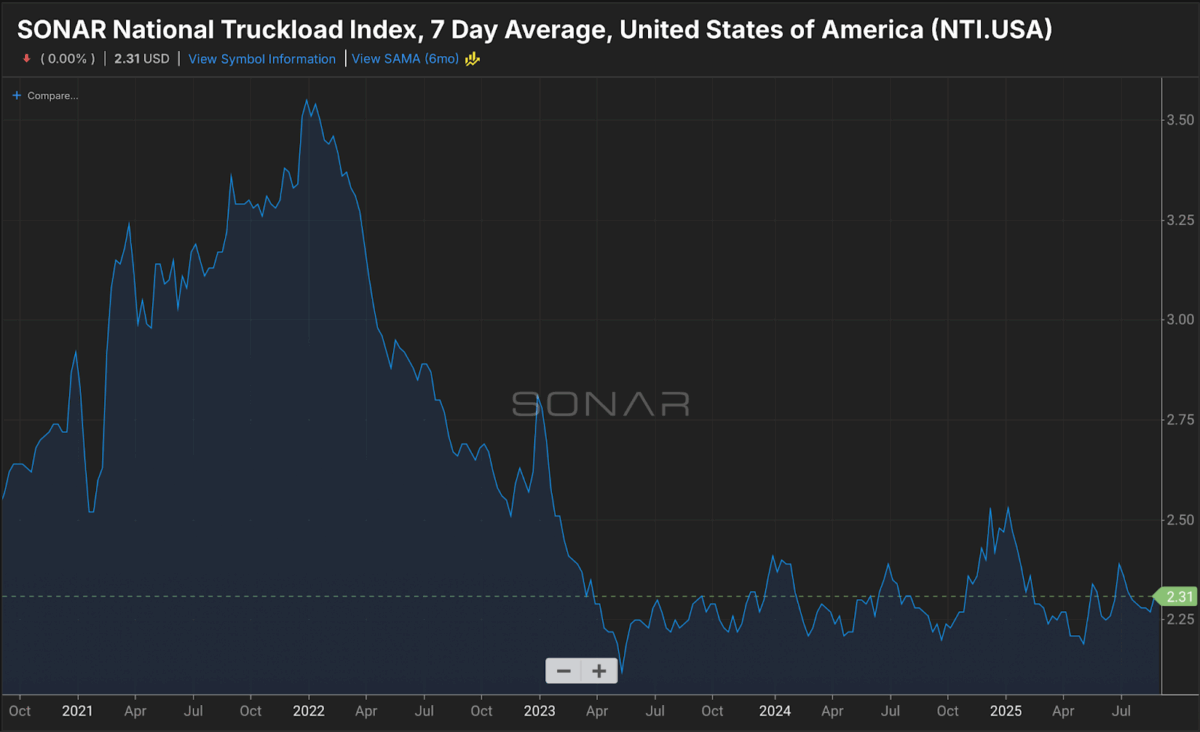
“But I’m Still Seeing Loads…”
Yeah, but for how long? And at what rate?
Right now, some lanes are still moving, but rates are thin and margins are shrinking. That’s not strength—that’s overcapacity surviving off scraps.
If your revenue per truck per week has dipped below $4,000, and your fuel and insurance haven’t dropped with it, it’s very possible that you are not profitable.
And let’s not forget: Q4 is supposed to be the peak season. If we’re barely breaking 10,000 OTVI now, where are we going when holiday freight softens?
Will Tariffs Get Worse?
The current administration has hinted at renewing or expanding certain tariff packages, including the Section 301 tariffs on Chinese goods. And don’t forget the steel and aluminum tariffs that now cover 400+ product types—a decision that drove up equipment costs and raw materials across the board.
Even though a few 90-day suspensions have paused tariff hikes, the damage has already been done. Retailers have restructured supply chains. Shippers have delayed launches. And domestic manufacturers are still cautious.
The Real Forecast – Straight, No Chaser
We’re not here to sugarcoat it. This is a very potential reality:
If tariffs continue to escalate, we’re looking at Q4 2025 being one of the weakest peak seasons since 2019. OTVI may not break above 10,600. IOTI may fall below 1,700. That puts many small fleets and owner-ops at risk of running below breakeven for 10–12 consecutive weeks.
If you’re banking on a holiday rebound, think again.
Final Word
Tariffs may sound like someone else’s problem—but they’re already sitting in your backseat, whispering into your fuel gauge.
And here’s the hard truth: If you don’t adapt, tariffs won’t just squeeze your weeks upcoming. They’ll squeeze you out of the game.
But if you stay sharp, track the right data, and move like a business owner—not just a driver—you’ll be one of the few that not only survives, but grows when the dust settles.
This ain’t about politics. This is about being realistic.
And in trucking, those who position early… last longest.
Brokerage Compliance Symposium
The day before F3. Every compliance issue you face - fraud exposure, carrier liability, FMCSA rules, cargo theft, insurance gaps - navigated by attorneys and operators defining best practices in a changing industry.
F3 Awards Dinner
The night before F3. FreightTech100 companies honored. FreightTech 25 and Shipper of Choice winners revealed live. Cocktail reception into dinner and live music - 300 industry leaders in one purpose-built room.
F3: Future of Freight Festival
Industry-defining keynotes, rapid-fire technology demos, and industry leaders networking in experiences across Chattanooga - plus the inaugural F3 Awards Dinner featuring the FreightTech and Shipper of Choice reveals.
The day before F3. Every compliance issue you face - fraud exposure, carrier liability, FMCSA rules, cargo theft, insurance gaps - navigated by attorneys and operators defining best practices in a changing industry.
The Signal at Chattanooga Choo Choo • Chattanooga, TN Register NowThe night before F3. FreightTech100 companies honored. FreightTech 25 and Shipper of Choice winners revealed live. Cocktail reception into dinner and live music - 300 industry leaders in one purpose-built room.
The Signal at Chattanooga Choo Choo • Chattanooga, TN Register NowIndustry-defining keynotes, rapid-fire technology demos, and industry leaders networking in experiences across Chattanooga - plus the inaugural F3 Awards Dinner featuring the FreightTech and Shipper of Choice reveals.
The Signal at Chattanooga Choo Choo • Chattanooga, TN Register Now