








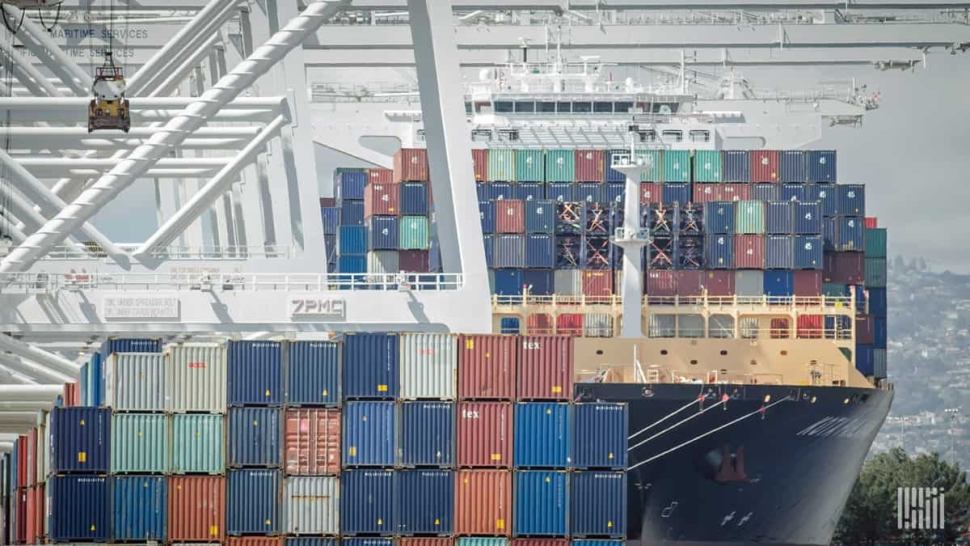
What constitutes a suitable ocean container for shipping is largely in the eyes of the shipper/packer and the product that it ships.
American Shipper recently discussed this topic with Technical Services Director Luiz Gonçalves of the Washington-based Institute of International Container Lessors (IICL).
Gonçalves said the practice of inspecting containers requires knowledge and experience on behalf of the shipper/packer, as well as a technical understanding of the International Maritime Organization/International Labor Organization/United Nations Economic Commission for Europe Code of Practice for Packing of Cargo Transport Units (CTU Code).
However, Gonçalves said there are a half-dozen basic physical characteristics of containers that should be considered by all shippers/packers before their use.
Doors fully operational
Container doors should be fully operational. It is recommended that both doors are opened to confirm operability and the ability to lock and seal the right-side door.
Cargo volume
Containers are subject to impacts during operation, which may cause dents and bows to the steel structure. Container owners and operators set tolerances for these distortions. Since containers get damaged during movement, it is advised to verify that the internal cubic capacity is not significantly reduced.
Shippers/packers must also note and comply with maximum gross mass of specific container sizes and the cargo, dunnage and securing materials’ combined mass do not exceed the “net” mass displayed on the right-side container door.
Water tightness
Dry van containers are built to keep cargo dry under normal operations. Shippers/packers should check the interior floors for signs of water puddling and light coming through the roof and sides, which are signs of cuts and cracks in the container’s steel skin. It is also advised to check the integrity of container door gaskets.
Cleanliness
The container should be clean, dry and free of residue and/or persistent odors from previous cargo.
The shipper/packer should ensure, prior to commencement of packing, that both the exterior and interior of the container, as well as the cargo, are free from visible pest contamination.
Odors
When opening the container doors, the shipper/packer should be alert to obnoxious odors inside the unit. Strong odors may indicate that cargo residues remain inside the container and further cleaning is required.
Markings and CSC plates
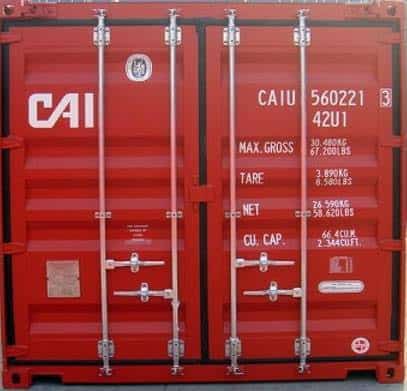
Container markings consisting of four letters, six numbers and one check digit should be legible on the doors. A CSC (Convention for Safe Containers) plate should also be affixed to the door.
Floor integrity
When verifying the interior condition of the container, shippers/packers should look for any significant floor waviness between crossmembers that may indicate floorboard delamination and weakness.
Containers endure a range of wear and tear during use. The existence of certain types of damage and nonconforming repairs does not necessarily mean that repairs are required.
“Container owners and operators maintain their fleets under preestablished conditions to ensure the safe transport of cargo and the cargo worthiness of the equipment prior to loading,” Gonçalves said. “However, all stakeholders in the supply chain are responsible for the safe transport of containers and safety of personnel involved with the operations.”
Click for more FreightWaves/American Shipper articles by Chris Gillis.
Brokerage Compliance Symposium
The day before F3. Every compliance issue you face - fraud exposure, carrier liability, FMCSA rules, cargo theft, insurance gaps - navigated by attorneys and operators defining best practices in a changing industry.
F3 Awards Dinner
The night before F3. FreightTech100 companies honored. FreightTech 25 and Shipper of Choice winners revealed live. Cocktail reception into dinner and live music - 300 industry leaders in one purpose-built room.
F3: Future of Freight Festival
Industry-defining keynotes, rapid-fire technology demos, and industry leaders networking in experiences across Chattanooga - plus the inaugural F3 Awards Dinner featuring the FreightTech and Shipper of Choice reveals.
The day before F3. Every compliance issue you face - fraud exposure, carrier liability, FMCSA rules, cargo theft, insurance gaps - navigated by attorneys and operators defining best practices in a changing industry.
The Signal at Chattanooga Choo Choo • Chattanooga, TN Register NowThe night before F3. FreightTech100 companies honored. FreightTech 25 and Shipper of Choice winners revealed live. Cocktail reception into dinner and live music - 300 industry leaders in one purpose-built room.
The Signal at Chattanooga Choo Choo • Chattanooga, TN Register NowIndustry-defining keynotes, rapid-fire technology demos, and industry leaders networking in experiences across Chattanooga - plus the inaugural F3 Awards Dinner featuring the FreightTech and Shipper of Choice reveals.
The Signal at Chattanooga Choo Choo • Chattanooga, TN Register Now