




The only way to test a truck in the cold is to put it there. For Volvo Trucks North America, that involved subjecting its all-new Volvo VNL to a 3,000-mile road trip from Colorado to Alaska. The site in Fairbanks, Alaska, is one of the world’s most rigorous testing environments, where temperatures routinely plunge to 40 degrees below zero Fahrenheit (minus 40 C). The extreme cold-weather testing program aims to validate the truck’s performance, reliability and comfort capabilities under the most challenging operational conditions.
The validation process first involves getting the trucks to Alaska, where Volvo’s test team conducts comprehensive real-world evaluations that surpass laboratory testing limitations. Over several months, engineers subject the trucks to various driving scenarios ranging from long-haul highway routes to stop-and-go city traffic. The goal is to simulate actual customer operations across diverse conditions.
A critical component of the testing regimen includes the “cold soak” procedure, where vehicles remain outside overnight with engines off until all components reach subzero temperatures. After 12 hours in these extreme conditions, engineers then test the startup procedures similar to what drivers would require in real-world situations.
The stakes are more than table stakes, as waiting on the roadside in subzero temperatures poses unique challenges, in addition to being hazardous to one’s health. During testing, professional drivers with extensive experience navigating Alaska’s terrain provide detailed feedback to the test team daily. These insights, combined with real-time performance data, enable engineers to fine-tune every aspect of the truck.
“The all-new VNL was designed to change everything and that includes how we approach testing and refinement in real-world conditions—to challenge our trucks and gain insights that would be impossible to replicate in a lab,” Voorhoeve noted in a press release. “What we learn in Alaska helps us deliver a truck that is not only innovative but proven where it matters most: on the road, in the real world, and in the hands of our customers.”
The Arctic testing environment is part of five distinct American biomes that the company uses. These biomes include urban, desert, prairie, coastal forests and Arctic tundra environments.
Feds put the brakes on speed limiter mandate
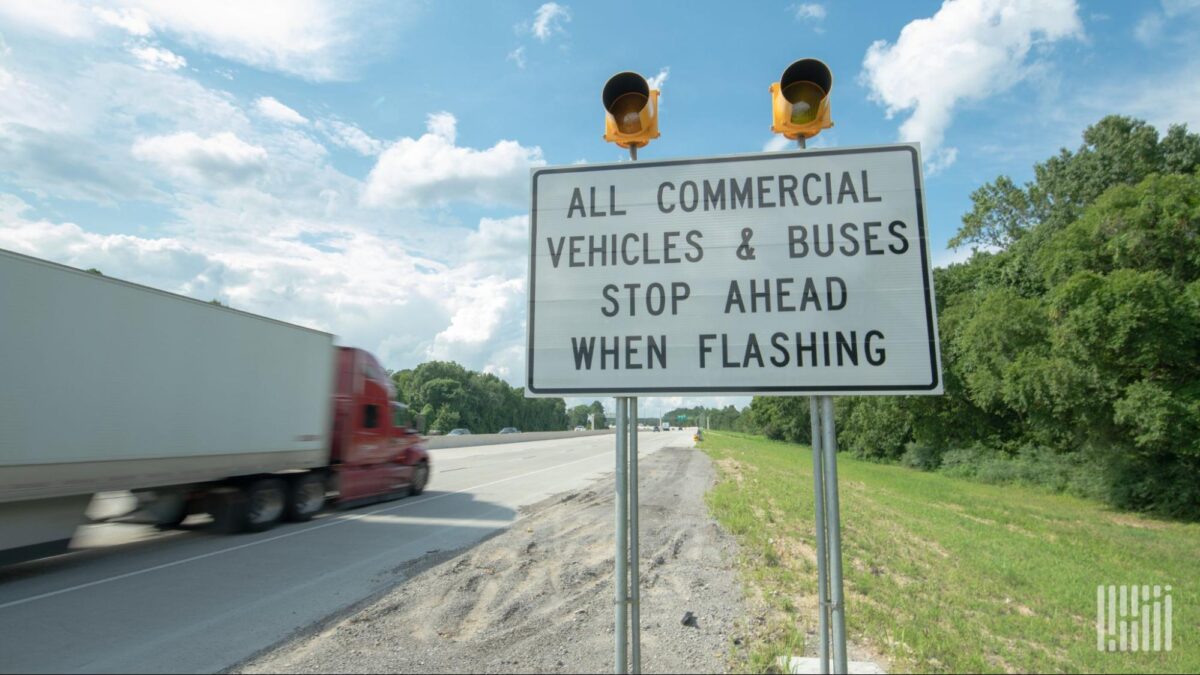
Federal regulators have withdrawn proposals that would have mandated speed limiters on large commercial trucks, citing significant data gaps and uncertainties about the rule’s costs and benefits. The Federal Motor Carrier Safety Administration (FMCSA) and the National Highway Traffic Safety Administration (NHTSA) canceled two proposed rulemakings that would have capped speeds for trucks weighing over 26,000 pounds.
The canceled proposals include the original 2016 rule initiated during the Obama administration at the request of the American Trucking Associations and Schneider National, and a follow-up proposal issued in 2022 under the Biden administration. The controversial measures generated over 16,000 public comments from stakeholders across the industry.
“In light of significant policy and safety concerns and continued data gaps that create considerable uncertainty about the estimated costs, benefits, and other impacts of the proposed rule, FMCSA and NHTSA have decided to withdraw the proposal,” the agencies stated in notices posted on Wednesday.
The 2016 proposal, which examined engine speed mandates of 60, 65 and 68 mph, had projected that a 65 mph limit would save between 63 and 214 lives annually, with estimated benefits between $716 million and $2.4 billion, plus $848 million in fuel and emissions savings.
The proposed mandates polarized the trucking industry between two camps: large versus small motor carriers and owner-operators. Major carriers supported the measures, highlighting safety benefits and fuel economy improvements. However, small fleets and owner-operators strongly opposed the regulation, viewing it as detrimental to their competitiveness.
“By establishing a one-size-fits-all federal mandate restricting heavy-duty CMVs to a speed separate from passenger vehicles, this regulation would create dangerous speed differentials between CMVs and other cars and thereby increasing the likelihood of crashes,” wrote a group of 17 associations, including the Owner-Operator Independent Drivers Association, in a January letter to President Trump.
Regulators cited several key concerns that factored into their decision, including the uncertainty about the impact of speed differentials on crash rates and the inability to quantify potential increases in rear-end collisions involving commercial vehicles. The agencies also noted that advances in crash avoidance technologies like automatic emergency braking systems might already address some of the safety concerns the speed limiters aimed to solve.
You’re halfway there! To read the rest of the Loaded and Rolling newsletter, subscribe below. It’ll be delivered to your inbox every Thursday at 2pm eastern.
Most recent episode
Brokerage Compliance Symposium
The day before F3. Every compliance issue you face - fraud exposure, carrier liability, FMCSA rules, cargo theft, insurance gaps - navigated by attorneys and operators defining best practices in a changing industry.
F3 Awards Dinner
The night before F3. FreightTech100 companies honored. FreightTech 25 and Shipper of Choice winners revealed live. Cocktail reception into dinner and live music - 300 industry leaders in one purpose-built room.
F3: Future of Freight Festival
Industry-defining keynotes, rapid-fire technology demos, and industry leaders networking in experiences across Chattanooga - plus the inaugural F3 Awards Dinner featuring the FreightTech and Shipper of Choice reveals.
The day before F3. Every compliance issue you face - fraud exposure, carrier liability, FMCSA rules, cargo theft, insurance gaps - navigated by attorneys and operators defining best practices in a changing industry.
The Signal at Chattanooga Choo Choo • Chattanooga, TN Register NowThe night before F3. FreightTech100 companies honored. FreightTech 25 and Shipper of Choice winners revealed live. Cocktail reception into dinner and live music - 300 industry leaders in one purpose-built room.
The Signal at Chattanooga Choo Choo • Chattanooga, TN Register NowIndustry-defining keynotes, rapid-fire technology demos, and industry leaders networking in experiences across Chattanooga - plus the inaugural F3 Awards Dinner featuring the FreightTech and Shipper of Choice reveals.
The Signal at Chattanooga Choo Choo • Chattanooga, TN Register Now