


Legal powerhouses section 122 and 338 offer upside
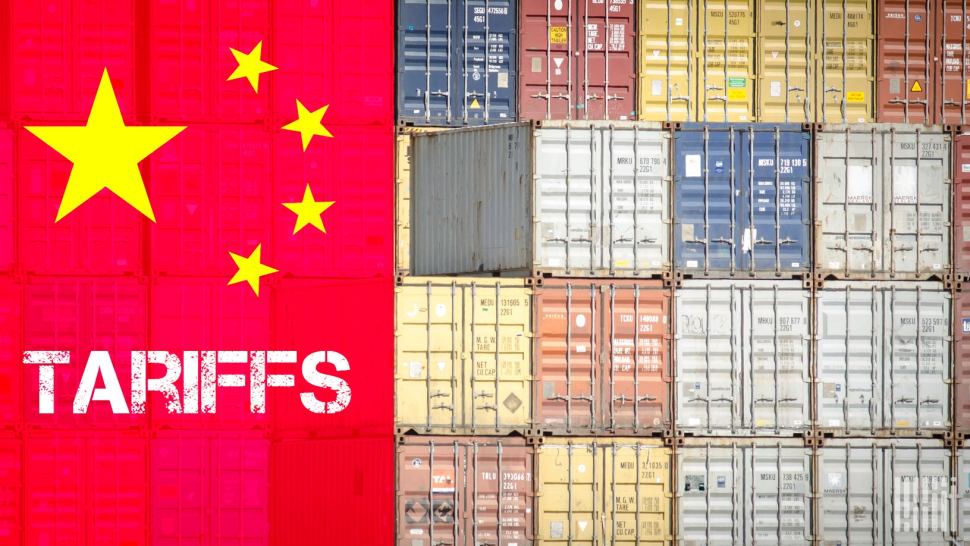
Yesterday, a U.S. court struck down President Trump’s “Liberation Day” tariffs under the International Emergency Economic Powers Act (IEEPA), calling them unconstitutional and stopping 10% global tariffs and higher levies on China, Canada, and Mexico. The ruling, citing IEEPA’s misuse for trade imbalances, cut the U.S. tariff rate from 27% to 17.8%.
Trump has two legal, constitutional tools—Section 122 of the Trade Act of 1974 and Section 338 of the Tariff Act of 1930—to push his trade agenda forward without Congress. These laws provide clear limits, removing the subjective nature of Trump’s prior tariffs, which businesses will find reassuring. With upside potential, especially against China’s well-documented trade abuses, these options offer a structured path forward and may help reduce the uncertainty that has been bred by the on-again, off-again policy.
Section 122: Quick, capped tariffs
Section 122 allows Trump to impose tariffs up to 15% on imported goods’ value to address major trade deficits, like the U.S.’s $971 billion gap in 2024, or to prevent dollar devaluation. No congressional approval is needed and tariffs last 150 days. The May 2025 court ruling endorsed Section 122’s legality, making it a fast, predictable tool to tax imports from countries driving trade imbalances, giving businesses clarity on short-term impacts while Trump plans longer strategies.
Section 338: A slam dunk against China
Section 338 lets Trump tax imports up to 50% or ban them from countries that unfairly hurt U.S. businesses, with no time limit or need for Congress. Its clear 50% cap eliminates the uncertainty of Trump’s earlier open-ended tariffs, a relief for businesses craving stability. China’s trade abuses make Section 338 a strong fit. An investigation into China’s practices—already well-documented—would justify tariffs or bans, leveraging this constitutional tool to target unfair trade head-on.
China’s well-documented trade abuses
China’s trade violations are clear. It slaps high tariffs on specific goods, like 25% on U.S. cars versus 2.5% on Chinese cars in the U.S., skewing competition. Subsidies, like $100 billion awarded yearly for tech firms, boost Chinese companies unfairly. Intellectual property theft, including forced technology transfers, costs U.S. firms $50 billion annually. China limits U.S. exports, controlling 80% of rare earth minerals. Its currency manipulation keeps the Yuan low, fueling a $419 billion U.S. trade deficit in 2024. These abuses, noted in U.S. Trade Representative reports, make Section 338 a straightforward, legally sound response.
Strategic upside post-ruling
The court’s ruling curbs IEEPA but green lights Section 122 and Section 338. Trump could use Section 122 for immediate 15% tariffs, then investigate China for Section 338’s 50% tariffs. Section 122’s 150-day limit and Section 338’s 50% cap provide predictability, easing business concerns in recent months about an undetermined ceiling. While Section 122 is low-risk, Section 338 could spark trade tensions, raising prices. Courts might question Section 338’s disuse, but China’s clear violations bolster Trump’s case.
Section 122 and Section 338 give Trump legal, limited tariff tools, sidestepping the May 28 2025 ruling. With Section 122’s quick action and Section 338’s strength against China’s abuses, these laws offer upside by stabilizing trade policy, giving businesses confidence in a more predictable tariff framework.
Brokerage Compliance Symposium
The day before F3. Every compliance issue you face - fraud exposure, carrier liability, FMCSA rules, cargo theft, insurance gaps - navigated by attorneys and operators defining best practices in a changing industry.
F3 Awards Dinner
The night before F3. FreightTech100 companies honored. FreightTech 25 and Shipper of Choice winners revealed live. Cocktail reception into dinner and live music - 300 industry leaders in one purpose-built room.
F3: Future of Freight Festival
Industry-defining keynotes, rapid-fire technology demos, and industry leaders networking in experiences across Chattanooga - plus the inaugural F3 Awards Dinner featuring the FreightTech and Shipper of Choice reveals.
The day before F3. Every compliance issue you face - fraud exposure, carrier liability, FMCSA rules, cargo theft, insurance gaps - navigated by attorneys and operators defining best practices in a changing industry.
The Signal at Chattanooga Choo Choo • Chattanooga, TN Register NowThe night before F3. FreightTech100 companies honored. FreightTech 25 and Shipper of Choice winners revealed live. Cocktail reception into dinner and live music - 300 industry leaders in one purpose-built room.
The Signal at Chattanooga Choo Choo • Chattanooga, TN Register NowIndustry-defining keynotes, rapid-fire technology demos, and industry leaders networking in experiences across Chattanooga - plus the inaugural F3 Awards Dinner featuring the FreightTech and Shipper of Choice reveals.
The Signal at Chattanooga Choo Choo • Chattanooga, TN Register Now