









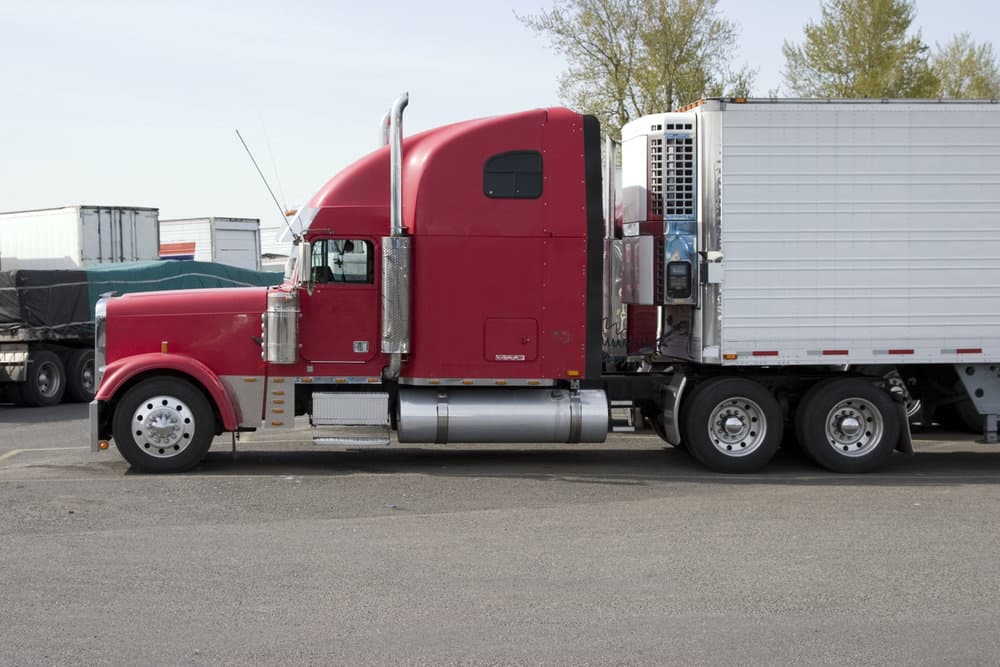
For anyone moving food or beverage items, it’s important to seek advice from an insurance expert to ensure proper coverage
Anyone involved in the movement of food and beverages should know by now about the Food Safety Modernization Act (FSMA). The act, passed in 2016, requires shippers (including brokers), carriers, receivers and “loaders” to use sanitary practices to ensure the safety of food in transit. The rule focuses primarily on maintenance of equipment and documentation procedures, although there are some other provisions as well.
The key requirements of the rule, according to the FDA, are:
- Vehicles and transportation equipment: The design and maintenance of vehicles and transportation equipment to ensure that it does not cause the food that it transports to become unsafe. For example, they must be suitable and adequately cleanable for their intended use and capable of maintaining temperatures necessary for the safe transport of food.
- Transportation operations: The measures taken during transportation to ensure food safety, such as adequate temperature controls, preventing contamination of ready to eat food from touching raw food, protection of food from contamination by non-food items in the same load or previous load, and protection of food from cross-contact, i.e., the unintentional incorporation of a food allergen.
- Training: Training of carrier personnel in sanitary transportation practices and documentation of the training. Carriers covered by the rule are required to provide food safety training to transportation operations personnel when the carrier and shipper agree that the carrier is responsible for sanitary conditions during transport.
- Records: Maintenance of records of written procedures, agreements and training (required of carriers). The required retention time for these records depends upon the type of record and when the covered activity occurred, but does not exceed 12 months.
Large fleets and businesses were expected to be in compliance by April 6, 2017, while small fleets and businesses – those with less than $27.5 million in annual receipts – must comply by April 6, 2018. Some exemptions exist, including for shippers, receivers or carriers with less than $500,000 in average annual revenue and transportation activities performed by a farm among others.
The full rule can be read here.
As seemingly simple as the rule sounds – ensure food is safe during transport – it is anything but. The rule, says, Sam Rizzitelli, transportation practice lead for the Americas for Allianz Global Corporate & Specialty, has opened up new concerns from an insurance impact.
“It’s very onerous for the supply chain to comply,” he tells FreightWaves. “There are new [risk] exposures; I think the biggest need is in the cargo insurance space.
“There is a provision in this regulation that basically says, if a product is shipped in a condition in which it may have been adulterated, then it is deemed adulterated,” Rizzitelli adds. “Standard policies traditionally only cover instances when cargo was damaged.”
In essence, Rizzitelli points out, insurers are being asked to cover claims for cargo that may or may not be damaged, but because the wording of the regulation treats cargo that may have been damaged as damaged, there is now a grey area.
“It created an immediate need for new insurance language,” he says. “Basically, we are covering for the first time what is not actually damaged.”
Anyone who has cargo insurance and is involved with the transporting of food and beverage cargo is potentially at risk.
“The insurance policies that have been in place for hundreds of years did not contemplate the exposures,” Rizzitelli says. “I strongly advise any carrier or other party to the supply chain who is moving or storing food or beverage subject to the regulation to speak with insurance experts.”
The law, he notes, can be confusing and just because you have a cargo insurance policy does not mean you are automatically covered. Rizzitelli suggests fleets that have the resources devote personnel to complying with the regulation.
“Any entity that is engaging in the supply chain who is moving food and beverage should have someone who owns the subject matter,” he says. “In some cases, they will find out they don’t have the exposure [based on what they haul], but they may, and they need someone who understands what they have to do.”
A fleet or shipper that is not covered could find themselves out thousands of dollars from a load that ends up as damaged goods. The confusion over the word “may” in the regulation is also likely to add complications, including potential claims and litigation costs over the interpretation of the law.
“It’s real and it’s actually happening today as disputes occur as parties try to comply,” Rizzitelli says. The key is communication between parties. “Some companies have very good communication…and they are not feeling much pain. There are others that don’t have good communication and they are feeling a lot of pain.”
Again, according to Rizzitelli, it comes down to understanding the law and working with an insurance provider to ensure your coverage is appropriate for the goods you haul.
Stay up-to-date with the latest commentary and insights on FreightTech and the impact to the markets by subscribing.
Brokerage Compliance Symposium
The day before F3. Every compliance issue you face - fraud exposure, carrier liability, FMCSA rules, cargo theft, insurance gaps - navigated by attorneys and operators defining best practices in a changing industry.
F3 Awards Dinner
The night before F3. FreightTech100 companies honored. FreightTech 25 and Shipper of Choice winners revealed live. Cocktail reception into dinner and live music - 300 industry leaders in one purpose-built room.
F3: Future of Freight Festival
Industry-defining keynotes, rapid-fire technology demos, and industry leaders networking in experiences across Chattanooga - plus the inaugural F3 Awards Dinner featuring the FreightTech and Shipper of Choice reveals.
The day before F3. Every compliance issue you face - fraud exposure, carrier liability, FMCSA rules, cargo theft, insurance gaps - navigated by attorneys and operators defining best practices in a changing industry.
The Signal at Chattanooga Choo Choo • Chattanooga, TN Register NowThe night before F3. FreightTech100 companies honored. FreightTech 25 and Shipper of Choice winners revealed live. Cocktail reception into dinner and live music - 300 industry leaders in one purpose-built room.
The Signal at Chattanooga Choo Choo • Chattanooga, TN Register NowIndustry-defining keynotes, rapid-fire technology demos, and industry leaders networking in experiences across Chattanooga - plus the inaugural F3 Awards Dinner featuring the FreightTech and Shipper of Choice reveals.
The Signal at Chattanooga Choo Choo • Chattanooga, TN Register Now