








Included in the Fair Labor Standards Act (FLSA) is an exemption that applies to interstate trucking allowing employers to avoid paying drivers for overtime work.
The exemption was established in 1935 with the intent of preventing drivers from taking on too many hours, but some in the industry believe the law has evolved into an excuse for keeping driver pay low.
“Simply put, the FLSA exemption makes it the law that a driver’s time is less valued than other professions,” according to Lewie Pugh, executive vice president of the Owner-Operator Independent Drivers Association, whose membership also includes employee drivers.
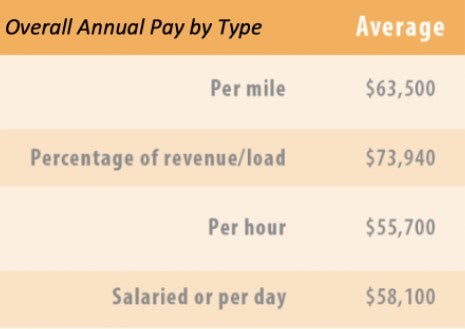
“So many employee drivers are paid by the mile. But at the end of the day, if you remove the exemption, carriers will have to start paying them for their time — including when drivers are sitting idle at a shipper or a receiver. There would be a financial incentive for shippers and receivers to load and unload trucks in a timely, efficient manner,” Pugh said, because carriers could choose to pass on to them added idle time costs.
Examples of driver employees eligible to be exempted from receiving overtime pay, according to the Lunt Group, which specializes in employer labor law, include:
- Drivers who spend part of their time in intrastate as well as interstate commerce.
- Individuals who act as assistants or relief drivers on vehicles in addition to performing loading, unloading and similar work.
- Drivers of charter buses or farm trucks who perform duties unrelated to driving or the safety of operations.
- “Driver salesmen” who spend much of their time selling rather than engaging in activities related to the safety of operations.
In a 2018 survey on detention time by the OOIDA Foundation, 81% of drivers surveyed said they would favor removing the exemption, which continues to be a policy item on OOIDA’s legislative agenda.
Demand driving up pay
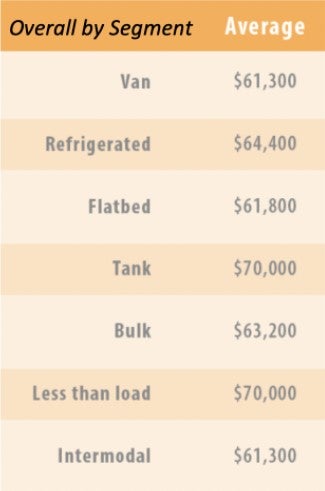
The current economic climate could be undercutting that policy change, however. A sharp rise in freight demand over the past year, fueled by the pandemic, has sparked pay raises and signing bonuses at trucking companies of all sizes as a way to attract drivers to seat their cabs.
According to the American Trucking Associations, the median salary for a truckload driver working a national, irregular route is $53,000, with wages going up “substantially” on average in the first half of 2021. ATA also notes that private fleet drivers have seen their pay rise from $73,000 to more than $86,000, a gain of nearly 18%, since 2014.
“The bottom line is the trucking industry is hiring and paying great wages to drivers,” said ATA Executive Vice President of Advocacy Bill Sullivan.
Not a panacea
Paul Taylor, a labor and employment attorney with the Truckers Justice Center, which represents drivers, points out that removing the FLSA exemption may not necessarily improve driver pay. “Carriers could just end up adjusting their base pay downward to compensate for the added overtime, just like they do when the economy is not in their favor,” Taylor told FreightWaves.
But while lifting the exemption may not be a panacea for drivers, “it’s an idea whose time has come,” Taylor said. “Employers should pay drivers more not only because they deserve higher pay, but carriers would be able to attract a better class of driver, onboarding costs would go down, and you would improve driver turnover rates.
Brokerage Compliance Symposium
The day before F3. Every compliance issue you face - fraud exposure, carrier liability, FMCSA rules, cargo theft, insurance gaps - navigated by attorneys and operators defining best practices in a changing industry.
F3 Awards Dinner
The night before F3. FreightTech100 companies honored. FreightTech 25 and Shipper of Choice winners revealed live. Cocktail reception into dinner and live music - 300 industry leaders in one purpose-built room.
F3: Future of Freight Festival
Industry-defining keynotes, rapid-fire technology demos, and industry leaders networking in experiences across Chattanooga - plus the inaugural F3 Awards Dinner featuring the FreightTech and Shipper of Choice reveals.
The day before F3. Every compliance issue you face - fraud exposure, carrier liability, FMCSA rules, cargo theft, insurance gaps - navigated by attorneys and operators defining best practices in a changing industry.
The Signal at Chattanooga Choo Choo • Chattanooga, TN Register NowThe night before F3. FreightTech100 companies honored. FreightTech 25 and Shipper of Choice winners revealed live. Cocktail reception into dinner and live music - 300 industry leaders in one purpose-built room.
The Signal at Chattanooga Choo Choo • Chattanooga, TN Register NowIndustry-defining keynotes, rapid-fire technology demos, and industry leaders networking in experiences across Chattanooga - plus the inaugural F3 Awards Dinner featuring the FreightTech and Shipper of Choice reveals.
The Signal at Chattanooga Choo Choo • Chattanooga, TN Register Now