








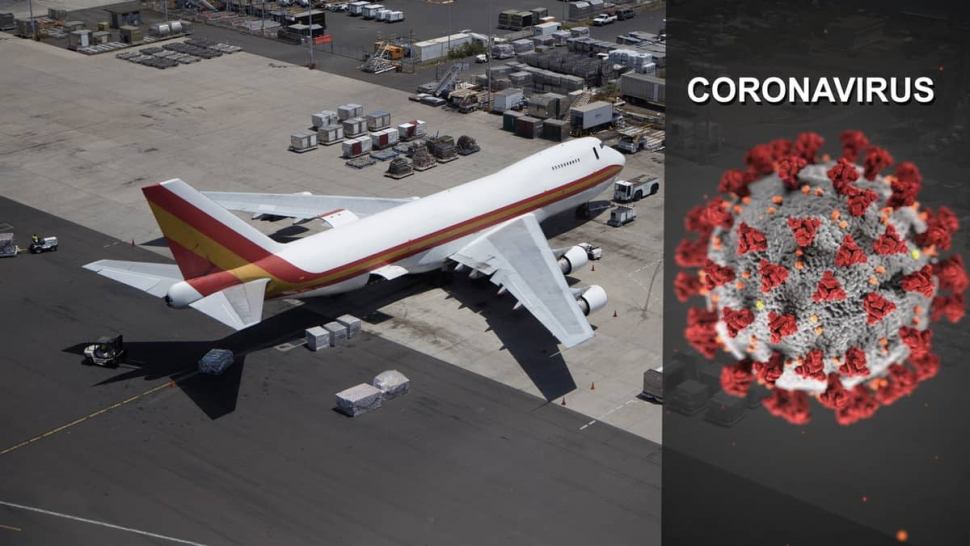
When the International Committee on Taxonomy of Viruses officially named the global influenza outbreak – “severe acute respiratory syndrome coronavirus 2” or SARS-Co V-2 – on February 7, a question arose among corporate compliance officers whether samples of the virus for use by international labs to develop vaccines required an export license from the U.S. Department of Commerce.
According to a statement released by the Commerce Department’s Bureau of Industry and Security (BIS) on February 25, the answer is “not yet.”
“The SARS-Co V-2 virus has already undergone numerous nomenclature changes within the last three months, and the specifics of the disease transmission, progression and lethality are still being investigated,” the agency said.
An earlier variant of this respiratory virus, known as SARS-CoV, which was identified in China’s Guangdong province in November 2002, spread to 26 countries the following year and resulted in more than 8,000 reported cases of human infection, according to the World Health Organization.
BIS added the SARS-CoV virus strain to the Commerce Control List (CCL), “after the etiology, pathogenicity and epidemiology were well-established in the public health community,” which requires labs to apply for a Commerce license before exporting samples abroad, the agency said.
BIS said that for now an export license is generally not required for export of the SARS-Co V2 virus or its genetic elements to most destinations. “However, exporters are reminded that certain end-users, end-uses and destination countries may require a license for the export of EAR99 items,” the agency said.
An EAR99 classification, which comes under the export control regulations in the Commerce Department’s Export Administration Regulations (EAR), covers items not identified on the CCL, which generally do not require a license in most situations. BIS said, however, if a proposed export of an EAR99 item is destined to an embargoed country, an end-user of concern, or in support of a prohibited end-use, it may require an export license.
For years the Commerce Department has had export controls in place for numerous types of deadly disease and virus samples based on U.S. membership in the 1975 UN Biological Weapons Convention.
There have been instances of exporters violating U.S. export control regulations regarding the cross-border transfer of disease and virus samples.
On August 5, 2005, Maine Biological Labs was sentenced by the U.S. government to a criminal fine of $500,000 and five years of probation for illegal exports and false statements in connection with unlicensed exports of virus toxins to Syria.
In addition, six former Maine Biological Labs employees were sentenced for their connection to the crime, which included charges of conspiracy, illegal exports, smuggling, false statements, aiding and abetting, and anti-boycott offenses. One former employee was sentenced to two years of probation, while the other five were each sentenced to jail terms ranging from nine months to a year.
Brokerage Compliance Symposium
The day before F3. Every compliance issue you face - fraud exposure, carrier liability, FMCSA rules, cargo theft, insurance gaps - navigated by attorneys and operators defining best practices in a changing industry.
F3 Awards Dinner
The night before F3. FreightTech100 companies honored. FreightTech 25 and Shipper of Choice winners revealed live. Cocktail reception into dinner and live music - 300 industry leaders in one purpose-built room.
F3: Future of Freight Festival
Industry-defining keynotes, rapid-fire technology demos, and industry leaders networking in experiences across Chattanooga - plus the inaugural F3 Awards Dinner featuring the FreightTech and Shipper of Choice reveals.
The day before F3. Every compliance issue you face - fraud exposure, carrier liability, FMCSA rules, cargo theft, insurance gaps - navigated by attorneys and operators defining best practices in a changing industry.
The Signal at Chattanooga Choo Choo • Chattanooga, TN Register NowThe night before F3. FreightTech100 companies honored. FreightTech 25 and Shipper of Choice winners revealed live. Cocktail reception into dinner and live music - 300 industry leaders in one purpose-built room.
The Signal at Chattanooga Choo Choo • Chattanooga, TN Register NowIndustry-defining keynotes, rapid-fire technology demos, and industry leaders networking in experiences across Chattanooga - plus the inaugural F3 Awards Dinner featuring the FreightTech and Shipper of Choice reveals.
The Signal at Chattanooga Choo Choo • Chattanooga, TN Register Now